
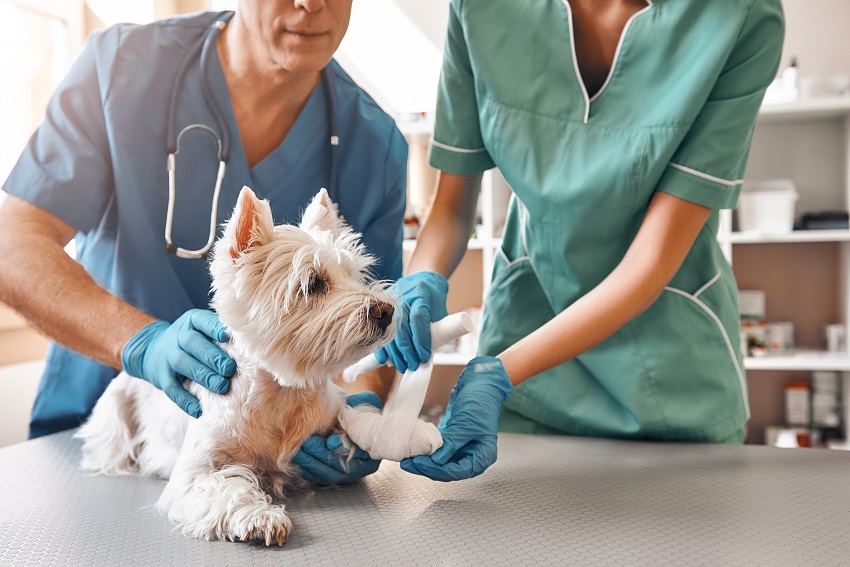
ACL, which stands for torn anterior cruciate ligament, causes a dog to experience hind lameness in its legs. Usually, ACL is caused by an overstretched knee. ACL can cause acute pain. Although the pain can be chronic, enough rest and the right cruciate knee brace for dogs can help your dog to recover. However, larger dogs can develop arthritics. For these dogs, surgery is the only option. Here are key care tips for a dog suffering from a torn CL.
Comfortable Bed
An injured dog should sleep comfortably. Thus, ensure the dog’s bed is comfortable. Select the right location. Choose a safe area. The location should have food as well as water. The location should be easy to access. For instance, if the dog wants to play, it should easily access the playground. The toilet should also be near to its bed.
Avoid taking its sleeping area to the upper floor. The ground floor is the best place to make a bed for your dog. Bring all its belongings to its new sleeping place. This will make it feel safe and comfortable.
Rest
Injuries take time to heal. Thus, give it sufficient time to heal. 6 weeks are enough for your dog to recover. Provide a comfortable position for your dog to lie. Lying down reduces any inflammation around the joints. Don’t take the usual walks. Discourage it from jumping from time to time.
Don’t allow it to take the stairs. Rest is an important factor when it comes to the healing process in CCL-injured dogs. Make sure that the toilet is nearby. Discourage it from running to the toilet. Guide it to the toilet using short leads.
Ramps
Consider installing ramps to help the dog access the furniture. Remember, dogs are active creatures. They love climbing into beds, couches, and other furniture. Providing ramps is one of the best ways to help your dog recover from a CCL tear.
You shouldn’t find any problem getting ramps. In most cases, you will find them in a vet store. Alternatively, you can purchase them from an online store. Still more, collapsible ramps can do an impressive job.
Stair Gates
As stated before, dogs are very active. Even during injuries, they will still want to move around. To prevent them from roaming around, consider putting up a stair gate. Limiting your dog’s movement is the surest way of giving it enough rest.
You can choose child-safe-based gates. These gates can restrict your dog to one room. Remember, staircases can pose a serious risk to your dog. They can expose your dog to more injuries. Thus, blocking them is very important.
Slippery Floor
Allowing your dog to walk on a slippery floor is not advisable. Slippery floors are notorious for causing slip and fall injuries. Thus, consider keeping them off such floors. A slippery floor can cause reinjury. Consider blocking them off from slippery rooms.
Chang Its Routine
Dieting is an important aspect of a dog’s life. To avoid gaining excess weight, consider changing your diet. Remember, the recovery process requires a balanced weight. Too much weight can put pressure on the injured limbs, which can reduce the recovery rate. Consult with your vet on the best diet for your dog during discovery.
According to experts, recovery takes not more than 6 weeks. In such a case, consider carrying a 6-week diet program to help your dog maintain optimal weight. Again, your vet is in a good position to give you recommendations when designing a diet for recovery. Also, follow all the recommendations from your vet.
Swimming
Swimming is the best excise for recovery. As a dog owner, consider taking your pet swimming at least twice a week. Non-weight-bearing exercise like swimming gives your dog mental stimulation, which can help it recover faster.
Also, swimming won’t put excessive pressure on your dog’s joints and muscles. It only stimulates the brain. It keeps all the muscles toned. Design a swimming schedule for your dog to speed up its recovery process.
Again, sit down with your vet. Take recommendations regarding taking your dog swimming. Also, supporting it during the swimming session will make things easier and more exciting. Don’t take it for swimming during the winter. Instead, utilize the pools at home.
Simple Walks
After 6 weeks, your dog can take simple walks. Taking it to a 3-8 minutes walk daily will allow the muscles to flex and speed up the healing process. Take slow strides. Take frequent rests. Don’t push t into running. It can reinjure itself and cause more problems.
Knee Brace
Knee braces are designed to offer injured dogs support. They help speed up the recovery process. Wearing a brace on its knee adds more support. It also helps it bear more weight. Braces are designed to minimize stress and pain.
It’s also important to note that braces are great for the recovery process. Remember, ACL injuries can be deliberating. Using a brace will not only relieve pain but also help the dog recover faster.
There are several braces on the market. Choose the right type. If your dog is young, consider using a splint. According to experts, custom braces are the best bet when it comes to helping dogs with ACL injuries. Shop online and choose the best brace for your pet.
Diagnosis
If you suspect an ACL injury in your dog, visit a vet. A vet will conduct a physical examination to determine the extent of the injury. Also, X-rays can be used to get a clear picture of the fracture. Diagnosis is effective in ruling out other issues, helping you determine the right course of action.
The vet will use diagnosis to recommend the best treatment option for your dog. During diagnosis, the dog will be sedated. This makes its body numb. It won’t feel any pain during physical examination.
NSAIDs
Pian resulting from ACL injuries can be deliberating. Your dog requires effective pain relievers. NSAIDs are regarded as some of the best pain relievers for dogs. Thus, ask your vet about these pain relievers. Ask the vet to prescribe these pain relievers. Common types of NSAIDs include Metacam and Onsior. Medications should only be given during your dog’s usual feeding time.
Follow all the instructions. Avoid overdosing. Give it the right medication. Stick to the dosage requirements. Avoid using over-the-counter pain relievers. They can cost you in the long run.
All NSAIDs should be given alongside food. NSAIDs are safe. Rarely do they cause any side effects such as stomach aches. If you notice any issue, get in touch with your vet in the shortest time possible. Any NSAIDs that are formulated for human-like aspirin should not be given to dogs. It can cause adverse effects.
Surgery
If all other treatment options fail, consider surgery. Highly effective, surgery will help your dog recover faster. It will also eliminate any joint-related issues. However, you should consult with your vet first before making the final decision.
The purpose of surgery is to sterilize the joints, helping them to recover fast. It’s also important to note that surgery minimizes the occurrence of future injuries. With surgery, you won’t have to worry about future issues such as arthritis.
Also, if the ACL is torn, your dog must go through a surgical procedure. Also, larger breeds require surgery. This is because larger breeds are heavier. Thus, they put more weight on the injured limbs. That’s why you should always consider taking them for surgery.
Symptoms Of ACL
As a dog owner, it’s important to understand the signs and symptoms of a torn ACL. The physical examination can tell if your dog has been injured. Here are the top signs and symptoms of ACL fractures.
Lack Of Activity
Dogs are generally active pets. They love running, jumping, and walking. If you notice mobility issues, then talk to your vet. It’s also important to note that most dogs will try to be active even after an injury. If you are observant, you will notice how it struggles to jump or run.
Lameness
Injuries can make your dog look lame. As a result, the dog will hobble when trying to walk. It can also limb. If it tries putting all its weight on 1 2, or 3 limbs, it may signal an injury. Talk to your vet and find out the issue.
Excessive Swelling
Swelling is also a big sign that your dog has been injured. Swelling results from muscle inflammation. Severe joint pain can signal a big problem. For proper diagnosis, take your dog to a certified vet.
Poor Sitting Posture
There are several reasons why your dog is not sitting properly. Common ones include past injuries, weakness, and joint issues. If your dog is injured, it may assume a poor sitting posture. In this case, talk to your vet for a proper diagnosis.
Clicking Knees
Joints can click. There are several reasons why the dog’s joints can click. Common ones include a moving ligament, air trapped in the dog’s joints, or bone rubbing. In most cases, these issues should worry you. However, if the clicking is intense, it could signal a joint problem like an injury. Observe to see if your dog is exhibiting signs such as lameness, pain, and poor sitting posture, it could signal joint injury.
The Bottom-Line
ACL results in chronic pain. It can cause a lot of suffering to your dog. As a dog owner, it’s important to understand how to care for your dog. Use the above tips and tricks to care for any dog suffering from a torn ACL.