



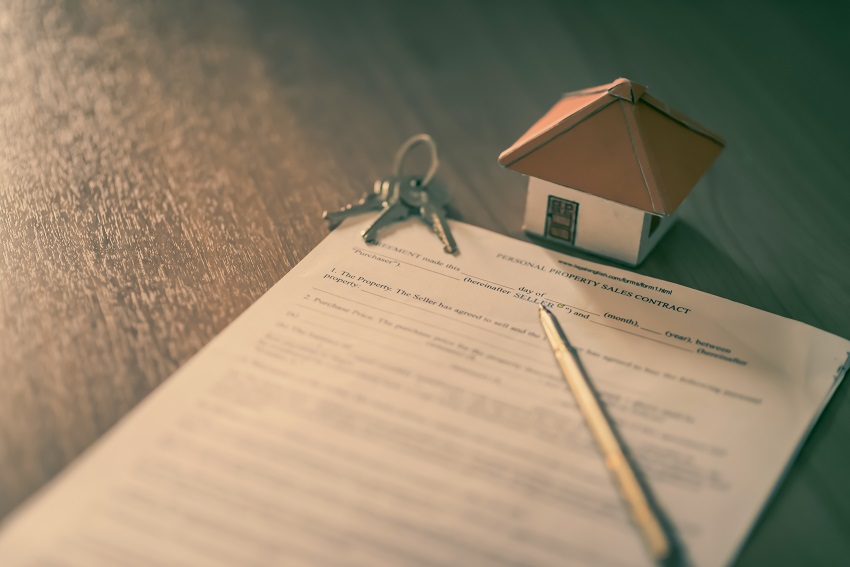
Many individuals and families come to a point where they’re tired of renting and want to buy a home. If you cannot get the cash together to purchase a residence outright, you’ll need to get a mortgage.
If you don’t have outstanding credit, that’s going to make securing a mortgage a little more challenging. We’ll talk about how you can do that in the following article.
1. Consolidate Your Debt
Having good credit is vital if you want to secure a mortgage, so you’ll probably have to work on that before you apply. 850 is a perfect credit score, but anything above 670 means you are a lower-risk mortgage prospect.
To get to that score or above, you might look into a bad credit debt consolidation loan. Debt consolidation means you have multiple debts, and you get a loan to pay them all off from a lending entity like a bank or credit union.
Then, you only have a single entity to pay back, which simplifies repayment. You can often get a better interest rate than you were paying on your other debts as well.
If you consolidate your debt and pay the required amount to a single lending entity every month, that’s one way to slowly but surely build up your credit. Once it gets above 670, you can start house hunting and apply for mortgages.
2. A Larger Down Payment
Banks are more liable to grant you a mortgage when you have less-than-great credit if you can give them a larger down payment on the house you want. 10% of the purchase price might not do it, but 30-40% makes you a more attractive candidate if your credit score is hovering around 580-669. Most banks consider that score to be subprime.
If you can come up with more money to put down, that means you don’t have to borrow as much from a bank, and you’ll have lower mortgage payments. If you have any relatives who can give or lend you some money to put toward a downpayment on the house, now would be the time to talk to them about it.
3. Find a Cosigner
A bank is also more likely to grant you a mortgage if you have not-so-great credit but you have a cosigner. This is someone who shares the responsibility of the mortgage payments with you.
If you can find a cosigner like a relative who has better credit than you and a stable income, you’re going to look like a much better prospect to a bank. However, you’ll need to find someone who trusts you to uphold your end of the bargain and make those monthly mortgage payments. If you default on the mortgage, that will hurt the cosigner’s credit score just as much as yours.
Buying a Home with Bad Credit is Possible
It’s not impossible to buy a home if you don’t have great credit, though it’s generally not so easy. You might find a cosigner with better credit than yours who makes a pretty good income. They must trust you, though, since their credit can take a big hit if you default on the mortgage payments.
You can get yourself a debt consolidation loan and make consistent payments on it for a while to start building up your credit. Once it’s 670 or above, you have a better shot at getting a mortgage. You’ll need to be a little patient with this option.
You can also put more of the purchase price down on the residence when you buy it. You may need to come up with 30-40% of the purchase price if your credit’s not very good. Maybe you have a relative who can give you that money or lend it to you.
If you’re determined and creative, you can often find a way to purchase a home without an excellent credit score.


