

Education expenses continue to surge, leaving many parents searching for actionable tools to manage and anticipate these rising costs. Taking simple, strategic steps now can make a huge difference in your family’s long-term financial security—and in ensuring your children have access to the best education possible. For many families, understanding options such as RESP benefits is an essential first step to making higher education more affordable.
Being aware of all available resources allows parents to take charge of their education savings process, helping them navigate scholarship opportunities, tax-advantaged accounts, effective budgeting, and alternative schooling options. By developing a multi-pronged strategy, families can offset the impact of escalating tuition and associated expenses, setting their children up for academic and financial success.
It’s important to remember that proactive planning, tailored to your family’s needs and goals, is key. The sooner families start preparing, the greater the potential benefits, thanks to tools like government-sponsored savings programs. Understanding these advantages—and making the most of them—can help you deal with the realities of tuition inflation, supply costs, and evolving educational opportunities.
This comprehensive guide breaks down the most effective approaches parents can take to secure their child’s academic future. By blending preparation, research, and sound financial habits, you can put your child on a path to lifelong learning without sacrificing your own financial stability.
Understanding the Rising Costs of Education
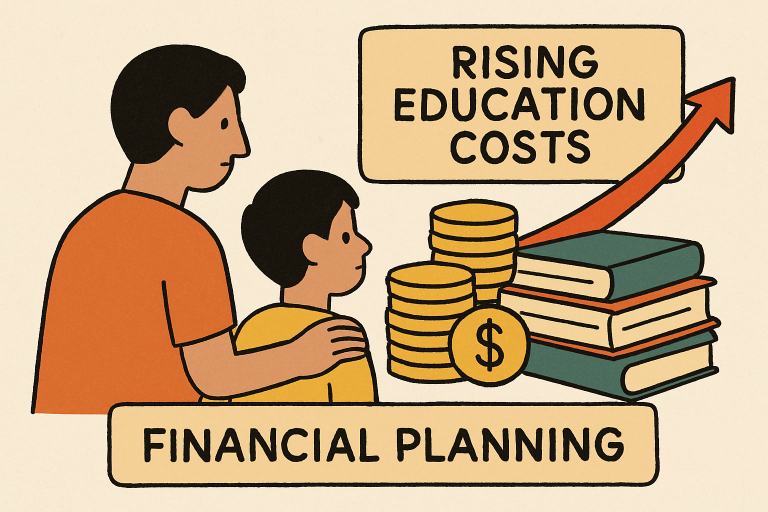
The escalation of education costs is a well-documented trend. Recent numbers from the College Board indicate that the average annual cost at a public, in-state four-year college has soared to roughly $38,270, while private institutions are topping $63,000 annually, as of 2025. Tuition is not the only expense—books, supplies, room and board, and extracurricular fees also increase each year. Families must therefore be aware of the financial trajectory and adjust their planning accordingly.
Rising costs can feel intimidating, but they also underscore why parents need to start considering savings strategies sooner rather than later. Waiting until high school to plan often leaves families scrambling, limiting the options available for both financial aid and cost-cutting measures. By staying informed on the factors driving tuition increases—such as administrative costs, facility improvements, and reduced government funding—families can better forecast likely expenses.
Starting Early: The Power of Compound Interest
The true strength of education savings comes from starting early. Compound interest enables even modest, regular investments to snowball into significant sums over 15 or 18 years. For example, saving just $100 per month beginning at a child’s birth can amount to more than $30,000 by the time they enter university—assuming a modest investment return. The earlier you invest, the more your money can work for you, minimizing the financial burden when tuition bills arrive.
Parents should also consider automating their savings contributions, so every payday, a predetermined amount is funneled into an education fund. This approach ensures consistency and reinforces the habit, which is key to building long-term security.
Leveraging Tax-Advantaged Savings Plans
Tax-advantaged savings vehicles, like 529 plans in the U.S. or RESPs in Canada, are critical tools for building an education nest egg. Earnings in these accounts grow tax-free when used for qualified expenses, and many states or provinces offer additional tax deductions or credits. For example, Canadian families can benefit from government grants that match a percentage of RESP contributions, helping their balance grow even faster.
Before opening an account, compare plan rules, investment options, and potential fees. Many 529 plans allow you to choose among aggressive or conservative investment portfolios based on your risk tolerance and your child’s age. Keep in mind that funds in a tax-advantaged account may be subject to penalties if not used for authorized education expenses.
Exploring Scholarships and Financial Aid
Millions of dollars in scholarships, grants, and bursaries go unclaimed every year. About 60% of college-bound students receive scholarship aid, averaging $8,200 annually. Encourage your child to research national, local, and private-sector opportunities as early as possible—applications can begin as early as ninth grade in some cases.
Types of Financial Aid
- Merit-based scholarships: For achievements in academics, arts, sports, or leadership.
- Need-based grants: For families with demonstrated financial need, often requiring tax returns or income statements.
- Specialty awards: For students who belong to certain groups, plan specific career paths, or demonstrate unique talents.
Utilize your high school’s guidance counselor and reliable online platforms to stay on top of deadlines and eligibility requirements.
Budgeting Techniques for Education Expenses
Budgeting isn’t just about tracking bills—it’s about maximizing limited resources. Consider the following strategies to make your education spending go further:
- Shop school supply sales, buy in bulk, and check for student discounts and seasonal promotions.
- Reuse high-quality items like backpacks, calculators, and sports gear to minimize recurring expenses.
- Break up your purchases over several months to lessen the impact on your monthly budget.
- Encourage children to take part in budgeting to build lifelong money management skills.
Apps and digital tools like Mint or YNAB can help families visualize and stick to their financial plans. Consistent review and adjustment are key to accounting for unexpected costs throughout the school year.
Considering Alternative Education Options
Creative education paths are becoming increasingly popular among families coping with soaring tuition bills. In some regions, state-provided education accounts can help cover private school, homeschooling, or online coursework, giving parents the flexibility to find the solution that best fits their child and budget. Investigating trade programs, dual enrollment (where students earn college credits in high school), and community colleges can also dramatically reduce total education costs while still providing a solid foundation for future success.
Families should research the quality, reputation, and potential postgraduate outcomes of all options under consideration, ensuring the most cost-effective and suitable path is chosen.
Conclusion
Preparing for rising education costs involves more than just setting money aside—it’s about combining forward-thinking strategies, leveraging available resources, and staying flexible as your child’s needs and interests change. By saving early, taking advantage of tax incentives, pursuing scholarships, budgeting wisely, and considering all educational pathways, parents can greatly alleviate the financial stress of providing their children with the best opportunities for success. Start today, and your future self—and your child—will thank you.