
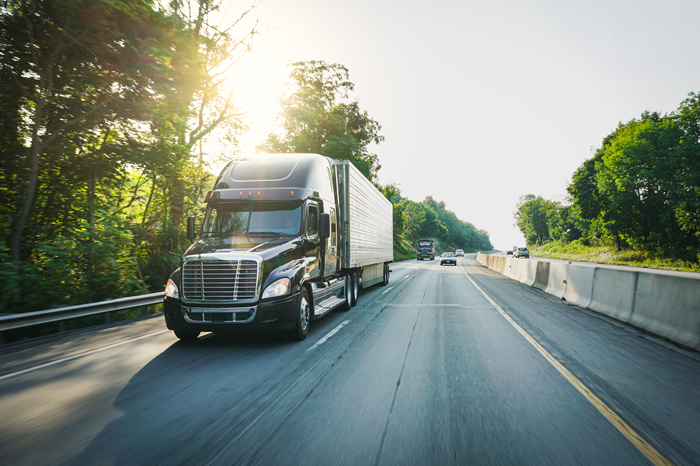
Truck transportation is flexible in terms of choice of route and delivery time, among other factors, which has made it their preferred method worldwide. However, the increased use of large trucks on the roads exposes other road users to the risk of severe injuries, loss of property, or even death in the event of an accident.
Some truck drivers ignore or violate traffic rules because they do not get enough rest or they decide to drive while intoxicated. Others drive trucks with mechanical issues, increasing the likelihood of accidents. The good news is that many truck makers integrate safety systems to reduce these risks and ensure large truck trailers do not endanger road users. Here are some semi-truck safety systems the future may have in store.
Mechanical Failure Warning Systems
Trucking companies should regularly service their fleet to ensure road safety, reliability, and efficiency. They should also inspect their vehicles before every trip to address performance or safety issues. Some trucking companies neglect maintenance and expose truckers to the risk of collisions due to mechanical failure.
Businesses that want to protect drivers and reduce mechanical failure-related collisions should buy modern trucks with mechanical failure warning systems. The system will monitor the performance of the engine and other vehicle components and give warning signs if the semi-truck develops a mechanical problem.
Truckers who get mechanical failure alerts should pull over and contact their employer. The trucking company should contact an auto repair shop with competent truck repair technicians and genuine semi truck parts. The mechanic will assess the issue and replace damaged parts. Once the truck is in good shape, it can safely return to the road, minimizing disruptions to the delivery schedule and maintaining safety standards.
Electronic Stability Control
Electronic stability control (ESC) enables the identification of truck defects that contribute to accidents and automatically takes corrective actions to avoid collisions. The system can lower the vehicle’s speed or adjust the engine power to help maintain control and stability.
Effective truck control can prevent sliding or slipping, which can result in deadly collisions between semi-trucks and small vehicles. The system also responds quickly and identifies error-prone events that affect truck control. It enables drivers to act rapidly to avoid colliding with other road users or structures in the event of an accident.
Driver Alert Systems
Truckers should only drive continuously for not more than the time federal and state regulations allow. However, some violate these rules to meet tight delivery deadlines or increase their earnings. This reckless behavior leads to fatigue or impaired judgment, increasing the chances of violating existing protocols and the risk of hitting other road users.
A driver alert system can help truckers avoid accidents when they exceed regular working hours. Semi-truck manufacturers are investing more money into more sophisticated technologies to enhance the accuracy of these systems. In new semi-truck models, it determines the time a truck driver has been behind the wheel, their steering pattern over time, and other features to estimate the level of drowsiness.
Others use data such as age, weight, and average sleep per night to determine whether a trucker is at risk of fatigue. Some signs proving that a truck driver may not be fit to drive are frequent yawning or drifting between lanes. Long periods of inactivity followed by abrupt wheel turning might also indicate that a driver is tired and may have dozed off while driving.
When the driver alert system notices these signs, it warns drivers to get off the road for a while if they show signs of exhaustion. Time off the road will help them relax and rejuvenate to make informed decisions behind the wheel.
Forward Collision Warning and Mitigation Systems
Loss of concentration can lead to head-on collision accidents that can leave road users in critical condition or even cause death. This is also true when a big rig hits a vehicle from behind.
Such collisions are preventable using forward collision warning systems, which notify truckers of their proximity to the vehicle in front. These systems also warn when truckers are too close to the rear end of the vehicle in front of their trucks.
Forward collision warning systems can help truckers avoid such incidents by alerting drivers when tailgating or getting too close to the rear end of another vehicle.
Additionally, the stability control system can identify truck issues that increase the risk of collisions and adjust accordingly to prevent accidents. These systems evaluate the distance between objects and indicate when there is insufficient space to continue driving safely.
Some have automatic emergency braking, lane assist and lane keeping technology for course correction, and adaptive cruise control capabilities. More advanced ESC systems can even decrease a semi truck’s speed when it comes close to other vehicles.
Rear-view Cameras
Drivers who operate smaller vehicles typically have better visual access to their surroundings, making it easier to see what’s behind them without much difficulty. However, truckers have visual limitations and may accidentally hit pedestrians or other motorists. Visual limitations might not be an excuse for such accidents since the responsibility to ensure safety should never be compromised.
Many truck manufacturers install rear-view cameras to ensure drivers have the best road view to avoid accidents. These cameras send high-quality images of the surroundings to an LCD screen and give the drivers an unobstructed view of the environment. The clear images from different angles enable truckers to make safer driving decisions when maneuvering in tight spaces and areas with heavy traffic or pedestrians.
AI Applications
Many semi-truck manufacturing companies are utilizing AI applications to enhance safety and efficiency on the road, and the trend might continue. Many will use the applications to analyze data from their truckers’ driving habits and take proactive measures to prevent accidents.
AI applications can help identify truckers struggling to meet safety standards and recommend training to improve their skills. Some companies may also replace their fleet with self-driving semi trucks.
They do so because they believe the latest technology can reduce human error, enhance safety, and increase operational efficiency on the road. Trucking companies can use these trucks on less crowded roads because these environments pose fewer challenges for autonomous systems, reducing the risk of accidents.
With the safety features manufacturers incorporate in modern trucks, truckers can drive without risking their lives or other road users. However, trucking companies should train their drivers on road safety and the technology solutions they use to minimize the risk.
The training will enable truckers to recognize hazardous situations and how to take immediate measures to avoid collisions. This helps trucking companies cut compensation and repair costs that they would incur when their vehicles get involved in collisions.