



Like most, you’ve probably noticed the exuberant prices at the grocery store. It seems like prices are going up, and the amount of food is getting smaller!
Are you looking to save money while enjoying a fun hobby? You’ll want to learn how to make cheese! Not only is cheese delicious, but you can impress all of your friends by serving homemade products at your next dinner party.
If you want to start cheese making but don’t know where to start, keep reading to help point you in the right direction.
Start With Easy Cheeses
Before you jump into parmesan or romano cheeses, you’ll want to start with something easier to manage. Starting with a complex cheese can deter you from continuing on your journey.
When it comes to cheese making for beginners, you’ll want to start with soft cheeses like farmers or cream cheese. These are more forgiving in terms of texture and the aging process.
However, if you want to jump into hard cheeses, Colby and gouda are a good place to start.
Gather Your Supplies
Next, you’ll want to gather the necessary supplies to make cheese.
You’ll need a decently large pot, as this will heat and culture the milk to turn it into curds. You’ll also need a slotted spoon and strainer to remove the curds, and a food-safe thermometer to monitor the temperature of the milk.
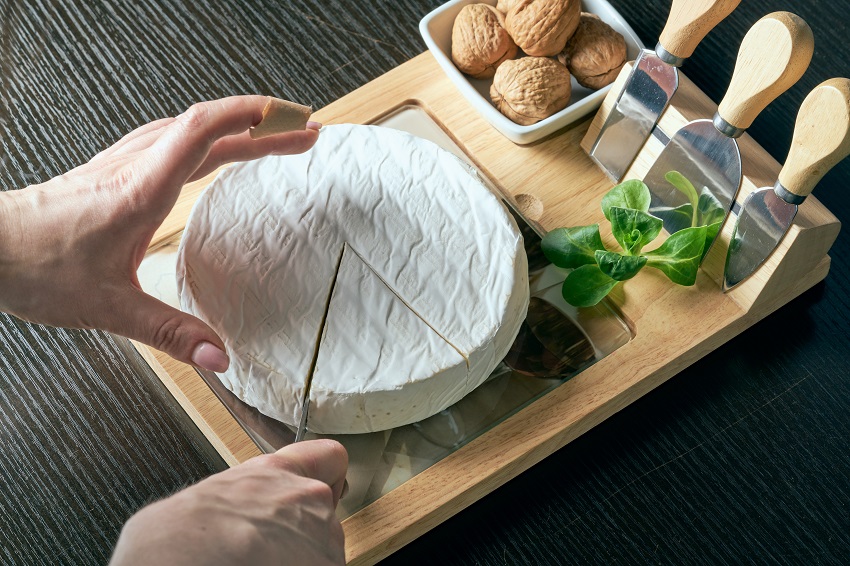
Another often forgotten tool you’ll need is cheese cutters. Once you make your cheese, you’ll want to ensure you don’t butcher it with a knife, so an intended cutter will ensure you get consistent slices.
Understanding the Process
The process of making cheese can be a bit arduous, but it’s rewarding! However, you’ll need to understand the process to learn to make cheese.
Essentially, you’ll want to begin the process by warming and acidifying your milk and adding an enzyme that will help coagulate the milk. Once the milk has solidified into a ball, you’ll want to slice it into curds.
One of the most essential cheese making tips is to pay attention to how thin you cut the curd. The smaller they are, the less moisture they’ll retain, making the cheese easier to dry.
Finally, you’ll need to wash and drain the curds of the whey they’ve been soaking in. This will help give your cheese the right texture. Then, you can salt and age the cheese, depending on what kind you’re making.
Reap the Benefits of Cheese Making
Though it may sound cheesy, there’s nothing better than finding a hobby you love that’s also functional and practical.
Knowing how to make cheese is a great way to save money at the grocery store while keeping you busy. Plus, it can’t hurt that you can brag to your friends about your new skill.
If this guide to cheese making has you ready to impress your friends and family, you’ll want to check out the rest of our website. There, you can find more great cooking tips and tricks.


