



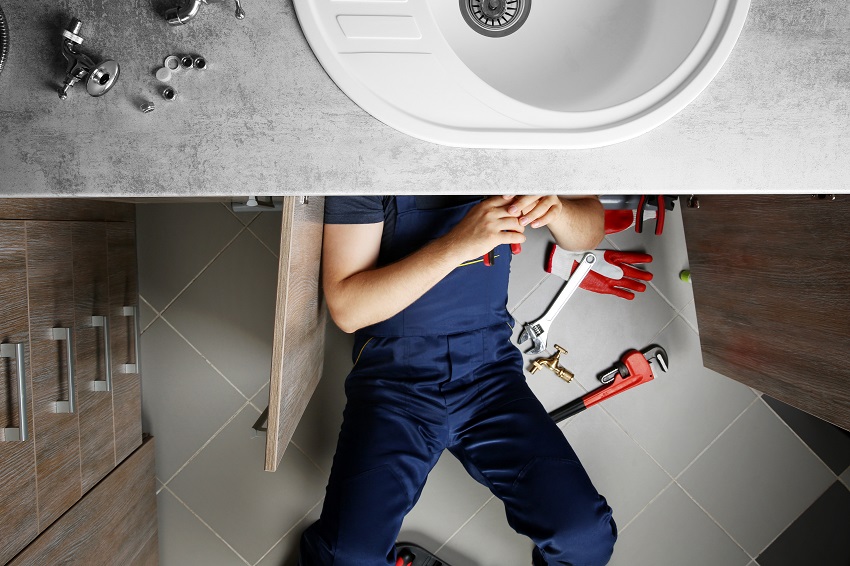
Some people think kitchens have complicated plumbing systems. In truth, however, there are only two main lines involved here. The first is for gas, and the other is for water.
In addition, many modern kitchens boast features like hookups that conveniently connect to appliances like dishwashers, ice-makers, and garbage disposals. Ostensibly, this is what makes kitchen plumbing appear so complicated.
How Your Kitchen Plumbing Works
The sink is the most important fixture in the kitchen. It normally has a strainer body that houses a lock nut and a rubber seal. These two pieces hold the sink’s body together, connecting it to the strainer sleeves that end at the tailpiece.
There is also the so-called kitchen trap, where all the parts are linked. The trap is where things that aren’t supposed to go down the drain go to. You’ll find a clean-out plug attached to your water pipes that acts as a blocking mechanism to stop wastewater from flowing to the pipes by pushing it to the sewage system.
Kitchen Plumbing Parts
The plumbing system in the kitchen is located under the sink. It is typically composed of the following:
- Water Supply Lines
This manages the water supply to your kitchen. Originally, the water line was designed to bring in only cold water. However, as the demand for hot water grew, especially in colder areas, a system redesign became necessary to provide hot and cold water separately.
- Gas Supply Line
The gas supply line is typically attached to the kitchen wall. However, in some homes, you might find it on the floor. Gas is delivered to the range through a flexible connector in both cases. There’s also a shutoff valve connected to the range, which manages the gas flow.
- Drain trap
This “S”-shaped pipe is found under the kitchen sink. It forms part of your plumbing system through which water flows to the drainage. According to expert Denver plumbers, not all the water goes out of the drain trap. Some remain trapped inside to help prevent sewer gas from escaping and finding its way to your home.
- Sink
This is the most common kitchen plumbing fixture. It connects to the main water supply of your home, usually through a faucet and sometimes via a water filter.
A strainer connects the sink to your drain. It is attached to the drain tailpiece and reaches down to the main drainage system.
- Drainage System
This works on removing wastewater from your kitchen. The drainage system is often designed in a way that it faces the sewage. This usually allows wastewater to drain faster with the help of clean-out vents and drain traps.
Common Kitchen Appliances
Home appliances that require water must be connected directly to the sink. These include the following:
- Dishwasher
Although dishwashers are directly connected to your kitchen’s plumbing system, their outlets should also link to the garbage disposal. This will allow the dishwasher to drain food waste directly to the disposal.
In the kitchen, the sink usually has two valves. The first controls the water supply, while the second is connected to the dishwasher to provide hot water. This second valve, known as the hot water line, is important because most dishwashers don’t have the same warm or cold cycle as washing machines. Hot water, in general, is more efficient when cleaning the dishes.
- Garbage Disposal
You’ll find this home appliance under the kitchen sink. Garbage disposals break down leftover food before sending it to the “hopper compartment.” Tap water flushes the waste out of this chamber further to the sewer or the septic tanks.
- Refrigerator
Copper T-fitting tubing normally connects your refrigerator to the kitchen sink valve that produces cold water. The tubing includes a gasket and a separate water valve where the refrigerator’s water pipes attach.
- Shutoff Valves
Shutoff valves turn the water off at the sink and other fixtures in your kitchen without reaching for the main water shutoff switch. Often referred to as stop valves, these are small and affordable devices that come in various types. The most popular is the three-way stop valve. Most plumbers prefer it since it has two outlets and an inlet ideal for the kitchen sink.
Key Takeaway
Many homeowners tend to leave plumbing installation in the kitchen to professional plumbers because they find the work too complicated. While this is well and good, it also helps to have a basic knowledge of how the plumbing in your kitchen works.
There’s nothing really complicated about kitchen plumbing. The important thing to remember is that only two main lines are installed here: water and gas. Keeping this in mind should guide you when identifying which kitchen appliance relies on water and which needs gas to function well. All other kitchen issues, especially plumbing-related, can always be referred to an expert plumber.


