



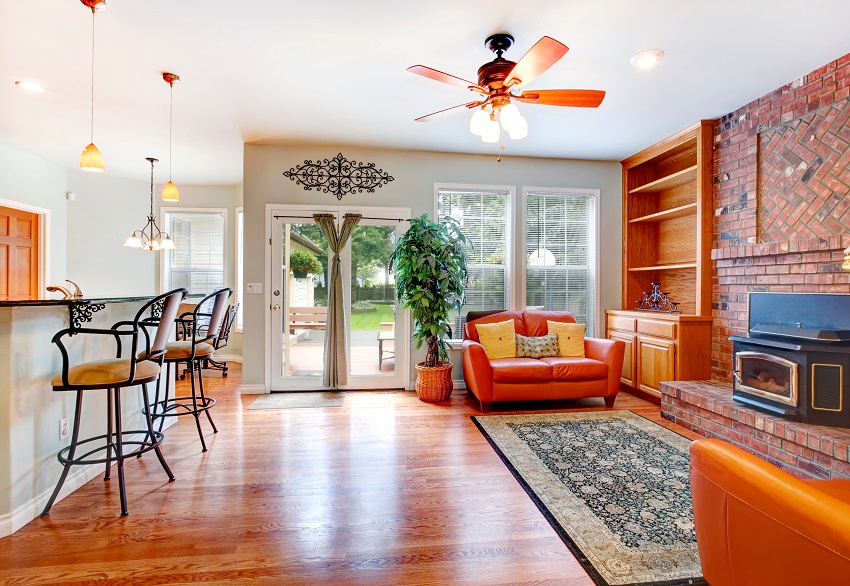
Sometimes a room can feel a little flat or lifeless. Whether it’s the too-matchy furniture, or dull colour scheme, sometimes an interior needs a little elevation. This is where utilising the interior design secret of contrast can help you transform that space, bringing balance and personality. Mixing varying colours, textures, shapes, styles and even levels of light are all elements of contrast you can play with for different effects.
If you’re new to the transformative power of contrast, it can be tricky to know where to start. This guide will help you learn some different tips and tricks for elevating your interior design with the power of contrast.
Exploring colour contrasts for visual impact
Colour is what most people think of when they think of contrast. It has one of the most dramatic effects, and can change the entire feel and mood of a room. Typically, you’ll want a balance of colours to ensure the space isn’t too overwhelming.
An easy way to do that is to keep your foundational elements neutral. Think timber-look flooring and neutral colours on your walls.
Keeping them neutral will help you be able to easily update decor and feature walls to appeal to your changing tastes. This way you can use contrasting colours in your artwork, rugs, cushions, even furniture, to give you contrast through colour.
The interplay of textures for a sensory experience
Contrast isn’t always about how things look, but how it makes you feel. Texture can greatly impact the vibe of a room, whether that’s warm and cosy through touches of luxurious fabrics, like velvet and wool, or sleek and modern, like stone and other natural materials.
To ensure a room feels balanced, you want to create contrast with your texture. For example, if you have a leather lounge and the room feels cold, a woolly throw blanket can help add some warmth. If you have sleek luxury vinyl flooring, you can add plush rugs to help add some visual interest.
Balancing shapes and lines for dynamic design
Shapes and lines also play a role in the contrast of a space. Take vertical lines for example; they can help make a space feel taller, such as vertical wood plank feature walls. However, too many straight lines can make a room feel harsh. To balance it out, you can play with adding some flowing lines and patterns to soften that angular look.
The same goes for rooms with lots of rounded edges and smooth surfaces, like round tables, rounded chairs and other furnishings. Here, you might want to add some geometric patterns or shapes, such as artwork, or rectangular rugs to help add some contrast.
The art of mixing old and new elements
Mixing old and new can help add some contrast and visual interest to your space, helping things not feel too contemporary and new, but also not outdated or stale.
If you have a love for all-things vintage and old, try mixing in some modern design elements, like minimalism or crisp neutrals to keep things looking fresh. For those who are more modern interior style fans, an intricate, vintage-inspired picture frame or even some impressionism-inspired artwork can help you balance your contrast.
Creating contrast through lighting and shadow
Lighting is another way you can add contrast to a room. Different light sources, whether in tone, height or type can help change a room’s mood or even provide more functionality, influencing the use and feel of a space.
Overhead lighting can be an easy way to light up an entire space, and is ideal for functionality. However, you can also use lighting accents to add depth to your space. Corner lamps or sconces can help draw attention to areas of the room you want, and adjust the level of brightness. Adjustable lighting can also help you achieve this, even layering light sources to create shadows and highlight specific areas of a room.
The trick to perfecting contrast in a room is trial and error, and seeing what you like. It may be a quick and easy process, or it may take years of slowly adding different layers to create a space you truly love. Step outside of your comfort zone and see what you can truly do with your rooms.


